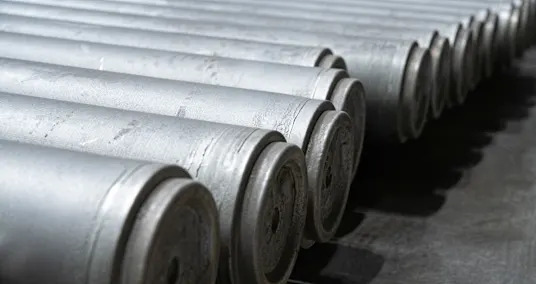
Fears of global aluminium shortages that could affect the production of clean energy technologies intensified after Iran struck two major Gulf aluminium producers, sending prices to a four-year high. The Middle East accounts for 9% of the world’s production of aluminum, which is essential to a wide range of industries from transportation, construction, and packaging, as well as the manufacture of solar panels, electrical transmission systems, wind turbines, and EVs.
Export shipments to the US and Europe had already come to a halt because of the effective closure of the Strait of Hormuz, and Morgan Stanley economists singled out aluminium as carrying a high level of risk across the value chain. Andy Farida, an aluminium analyst at Fastmarkets, told Semafor that high prices would be passed on to end-users, ultimately causing demand destruction. “A prolonged shutdown (with little to no alternative supplies other than Russia and China) could cripple the supply of aluminium to support the production of clean and green technology,” he said, adding that relief could come “if governments allow some sanctioned Russian and Chinese aluminium to be imported.”

LATEST POSTS
- 1
 Turning into a Sharp Financial backer: Individual budget Wins
 - 2Many European nations want Israel to cancel 19 new settlement plans
- 3The Craft of Do-It-Yourself Home Stylistic layout: Change Your Space
- 4Why this Tennessee special election has the 'whole world' watching
- 5Step by step instructions to Pick A Pre-owned vehicle Stage


- 6 Fun Urban areas For Seniors To Travel
- Hundreds of kilos of protected plant seized by Israel Nature and Parks Authority in Golan
- 2023's Best 10 Cell phone Advancements You Can't Miss
- Factbox-China's crewed lunar programme eyes astronaut landing by 2030
- Step by step instructions to Pick A Keep money with High Fixed Store Loan costs
- The most effective method to Perceive the Early Side effects of Cellular breakdown in the lungs
- Scientists find evidence that an asteroid contains tryptophan
- Advocacy groups react after Mattel introduces 1st Barbie doll with autism
- Iran war fuels fears of new inflation wave among German consumers